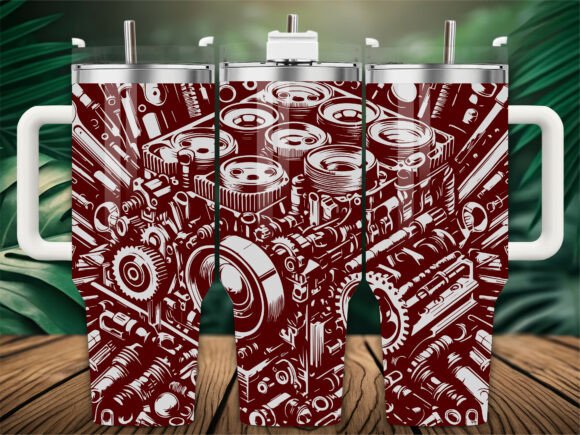
Engine Parts Embroidery Design Review
A First Look at Engine Parts
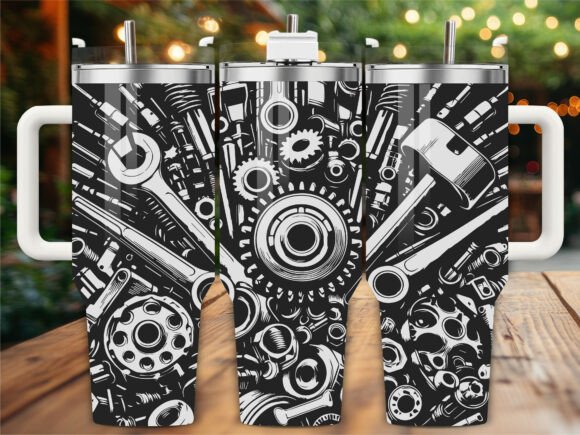
At first glance, Engine Parts feels like a design that’s been crafted with purpose. It has a bold, mechanical vibe that immediately makes me think of custom apparel for automotive enthusiasts or even industrial-themed gifts. The layout is clean, the details are sharp, and there's a sense of structure that speaks to its use as a machine embroidery design. It doesn’t feel too cluttered, which is great for a digital embroidery file that needs to translate well across different materials and hoop sizes.
The theme of Engine Parts gives it a strong visual identity. Whether you're aiming for a retro look or a modern industrial aesthetic, this design has the versatility to fit into a range of crafts and graphics projects. Its detail level suggests it would work well on larger surfaces like tote bags or aprons, but I can see it being adapted for smaller items too, such as patches or caps, if scaled appropriately.
How Engine Parts Performs in Real Projects
Let’s imagine a real-life scenario: preparing a custom embroidered tote bag for a small shop selling handmade products. Engine Parts would be an excellent choice here. The design’s clarity and contrast make it stand out on fabric without overwhelming it. It would add a touch of personality to a handmade product, making it more appealing to customers who appreciate unique, themed items.
This design also has potential for sweatshirt embroidery or holiday embroidery projects. For instance, if paired with a red or black background, it could become a striking personalized gift for car lovers during the holidays. It’s not too busy, so it won’t get lost on a custom apparel piece, and it maintains a professional look that elevates the finished product.
Another area where Engine Parts shines is in embroidered patch designs. Its structured lines and geometric elements make it ideal for creating a dimensional effect when using satin stitch or fill stitch techniques. It would look fantastic on a denim jacket or a backpack, adding a subtle yet eye-catching detail.
Where to Use Engine Parts with Caution
While Engine Parts is a solid design, there are certain situations where extra care should be taken. For example, when using it on small hoop sizes, the detail might get lost or require resizing that could affect the overall look. Similarly, if applied to textured fabrics or thin fabric, the stitching may not hold up as well, especially after repeated washing.
Stretchy fabric and curved surfaces like caps or hats also pose challenges. The design’s angular nature might not adapt well to these surfaces without some manual adjustments. When working with dark fabric, it’s important to check the thread color contrast to ensure visibility. A light-colored thread might not show up clearly against dark backgrounds, so testing on scrap fabric is always a good idea.
For layered garments or dense stitch areas, consider using a stabilizer to prevent shifting or puckering. This will help maintain the integrity of the design and ensure a professional finish.
Visual Appeal and Practical Value
Engine Parts adds a layer of visual interest to any project. It brings a sense of craftsmanship and attention to detail that customers notice and appreciate. Whether it’s a custom apparel item for a boutique or a personalized gift for a client, this design enhances the handmade presentation and reinforces brand consistency for craft business owners.
Its clear lines and defined shapes contribute to a polished look that supports buyer engagement and increases the perceived value of the finished product. As an Etsy seller or small shop product creator, having a design like this in your portfolio can attract a niche audience looking for something distinctive and high-quality.
It also plays well with printable mockups and design assets, allowing you to showcase the design effectively before production. This is particularly useful for digital product sellers or those listing items on platforms like Etsy, where visuals play a big role in customer decisions.
Practical Embroidery Designer Notes
If you’re considering using Engine Parts in your next project, here are a few tips to keep in mind:
- Test on scrap fabric first to see how it looks in real life.
- Check thread color contrast against your chosen fabric background.
- Review stitch density to avoid overloading the fabric.
- Confirm hoop size to ensure the design fits comfortably without stretching.
- Inspect small details for clarity and adjust if needed.
- Test in black and white mockups to evaluate how the design translates to different colors.
- Compare light and dark fabric backgrounds to find the best match.
- Use proper stabilizer to support the design on delicate or stretchy materials.
- Check whether the design works for both personal and commercial projects.
- Confirm licensing before selling finished items or digital products.
Engine Parts is a versatile and well-crafted embroidery file that can elevate your embroidery project from average to exceptional. With thoughtful application and preparation, it can become a valuable asset in your creative toolkit, whether you're designing for a craft fair product, a handmade shop, or a commercial embroidery job. Just remember to approach it with the same care and precision that defines great design work.